Tag Archives: cycling technology

New Affordable Power Meter in the Works

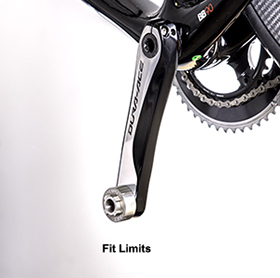
A new power meter looks to hit the market soon. Invented by British cyclist, Ken Norton, “Limits” power meter promises to be one of the cheapest power meters available, selling for a mere $385 (260 GBP), ridiculously cheap compared to most power meters available.

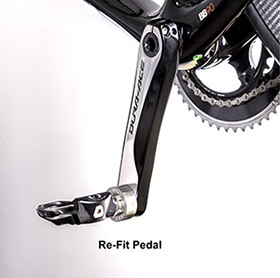
Limits is specifically designed to be affordable and within reach of most cyclists; and it’s designed to be easily interchangeable, so you can switch it between any bike easily, including your mountain bike.

How It Works
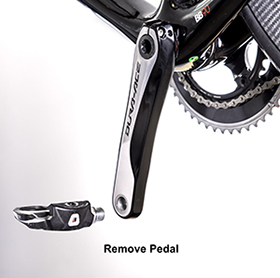
Limits Power Meter Installation limits-power-meter-step-2 limits-power-meter-step-3Installation is quick and easy.

Limits is attached to the bike between the pedal and the crank, and uses 4 strain gauges to measure the power being applied by the rider.

The power meter also houses an inclinometer (with a resolution of 1 degree), so it can tell when a pedal revolution has completed, so you get cadence as well. Torque data is also included.

Currently Limits only measures power on the left side, but a future release will measure power on both sides.

Limits uses Ant+ so will work with any Ant+ head unit or device. Limits is waterproof and has a battery life of 1 year, so you won’t be switching batteries out every week.

At sub $400, this power meter should bring power training within reach of most cyclists, and with the flexibility of easily moving it from bike to bike, it should be especially attractive to cyclists who ride and race across disciplines.

Limits is a crowdfunded project launching April 20, 2015.
Learn more about the Limits power meter

The Stringbike

Here at Velo Logic, we love creative thinking that the shatters preconceived notions of how a traditional component works or looks.

Today, here’s a quick look at a fresh new conception of the drivetrain.

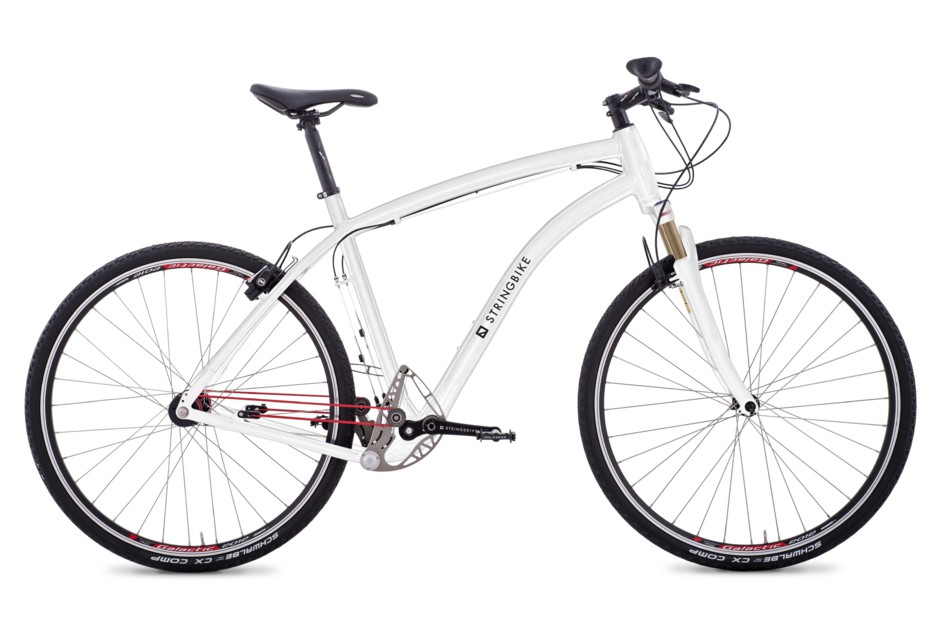
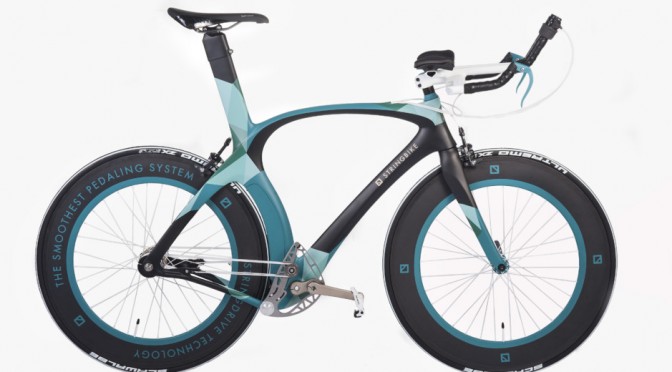
We’ve seen chains, we’ve seen belts, we’ve seen direct drive, but we’ve never seen a string drive.

Stringbike - the carbon time trial versionWhat are the Advantages of the Stringbike?

Well here’s what they say on the Stringbike site, and I quote:

  • Silky smooth and almost silent riding experience
  • Less maintenance, fewer parts to malfunction, long-lasting high efficiency
  • No loose, broken, lost or rattling chains
  • No lubrication, oil, rust or dirty hands – clean bike, clean hands, clean clothes, clean environment
  • No chance of derailleurs going wrong and needing servicing
  • No costly chain and drive-system maintenance
  • Fewer bike parts exposed to possible damage while riding
  • Noticeably easier to climb uphill than with conventional bikes thanks to special riding characteristics of the drive
  • Almost continuous shifting through 19 gears, easily controlled by a single handle grip
  • Quick and easy removal of the rear wheel makes fixing flat tyres clean and hassle-free
  • The strings can be changed easily, without any tools in few minutes.

Bicycle Racing Poster

Bicycle Racing Cycling Poster QuoteOff the Front - beautiful cycling poster on wooden panel. This is a unique work of art, with an original graphic design,  printed on superior quality birch wood. Choose from 10 sizes and create a statement piece that’s perfect for your office or your home. Ready to stand, or hang.


A basic StringbikeNo doubt it’s clever, unusual, creative, and it has some advantages… but I’d like to see a side-by-side comparison in terms of speed and efficiency, something like the results of riding traditional vs stringbike in a few 10-40 km time trials.

Nevertheless, interesting concept! What do you think?

Learn more about how the Stringbike technology works

Bike of the Future? The DuBike

A lot of progress comes from integration. By that I mean the taking of ideas, materials, and technology from various diverse fields and putting it all together.

Think of the smartphone, the phone itself is now an afterthought, the device is actually a powerful computer, camera, calendar, diary, clock, calculator, fitness log, newspaper,  camera… and that’s just from looking at my home screen.

Bike of the Future?

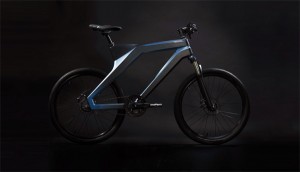
Futuristic Bicycle So where will the humble bicycle be in a few years? Up until recently it’s been a purely mechanical machine. Now we’re seeing the integration of electronics with things like Shimano’s electronic shifters, and wireless technology with SRAM testing wireless shifters.  Of course there’s our smartphones that has become our cycling computers… then there’s the emerging wearable technology.
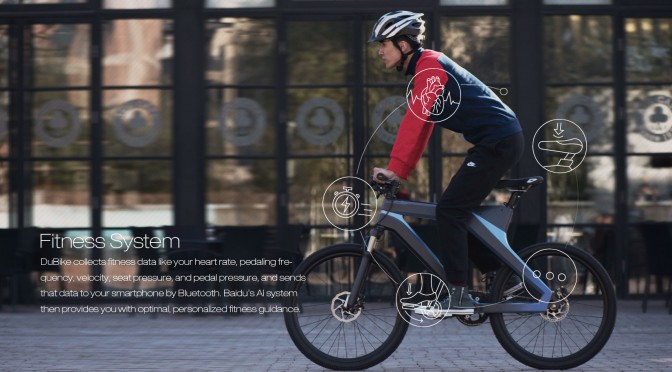
What will the bike of the future look like? It might look something like the DuBike from Baidu (the Google of China)

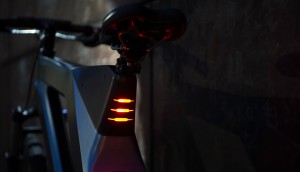
A few of the features built in to the bike include:

  • Fitness guidance based on your on-bike performance, speed, cadence, heart rate, etc.
  • Built in GPS beacon so you always know where your bike is.
  • Built in navigation – left and right arrows tell you when to turn. It also optimizes your route.
  • Social Networking – connects you with other cyclists

Another stage of progress is automation. Perhaps it won’t be too long before we have a smart bike with cruise mode, where it shifts automatically based on data it has collected about you and your historical performance.

Learn more about the DuBike

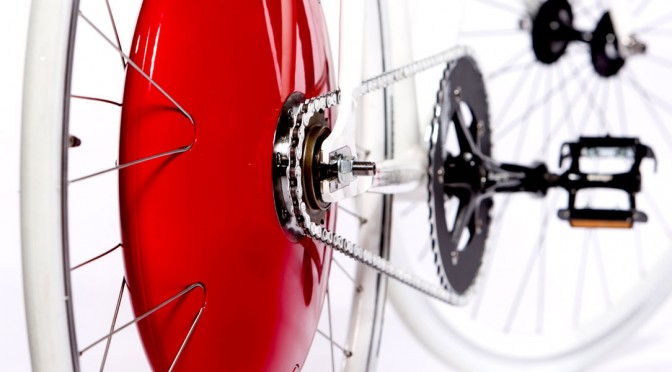
The Copenhagen Wheel with Integrated Motor

This new bicycle wheel turns your normal bicycle into an electric bike.

The interesting thing about this wheel is that it is “intelligent”, it learns your pedaling technique and turns itself on and off when needed, and recharges itself. So there is no need to turn it on or off. For example, if you’re riding along and encounter a hill, the wheel will kick in and give you a little boost up the hill.

Some technical specifications for the Copenhagen Wheel:

  • At 13 lbs, it weighs about as much as a road racing bike.
  • Motor power is 350 watts
  • Its top speed is 20 mph
  • Takes 4 hours to charge
  • Range of 31 miles

It’s important to remember that this is not meant as your primary motor, you are the primary motor, this assists you when you need it, and is intended to complement your cycling, integrate with it and enhance it, rather than replace it.

Learn more about the Copenhagen Wheel at SuperPedestrian.com