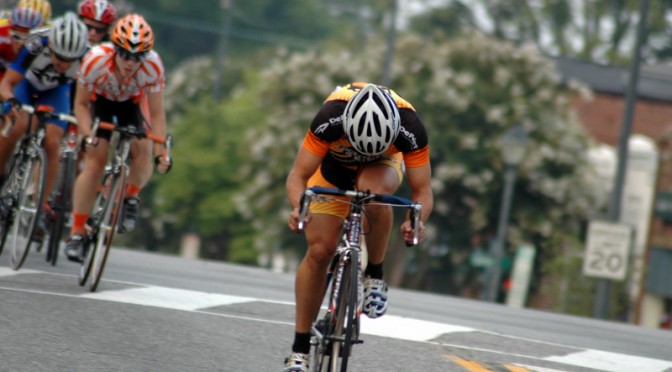
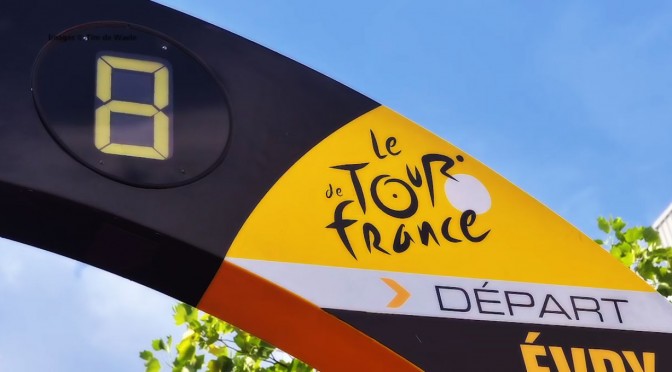
Here’s a quick overview of where the Tour de France will be passing this year. The Tour kicks off July 4th in Utrecht and ends July 26 in Paris.
The Story of the Tour de France
The Story of the Tour de France is a rare gem of a book in a crowded category. It grabs you from the start, electrifies and keeps you immersed in the powerful drama that is the Tour.
“Drenched in rich detail.” -Paul S
“As soon as I began reading this book I was hooked!” -John W
The electric bicycle business is a rapidly growing $30 million dollar sector, that shows no signs of slowing down.
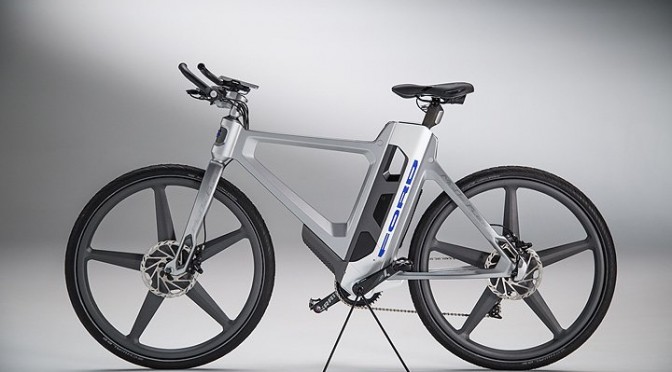
Ford has announced a its first ebike, the MoDe Flex eBike, and it is pretty cool. It has few innovative safety and riding features that make it attractive for commuters.
Some of the highlights:
MoDe Flex folds down to a compact size for storage and putting it in the car
Bike can be recharged from your car outlet (or from an external source)
Connects to your smartphone and Ford app for routing, fitness data
App has a “No Sweat” mode which automatically signals the bike when to kick in electric power based on your heart rate data
The handlebars vibrate when you are about to be overtaken
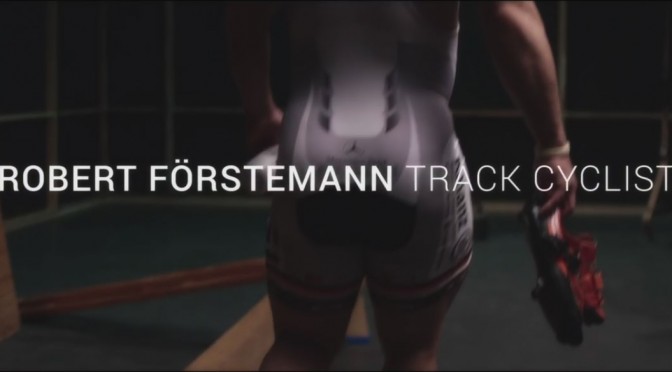
Olympic track cyclist Robert Förstemann takes on a toaster. This is really “earning your breakfast.”
If Förstemann and his 74cm quads has this much trouble making a slice of toast… I guess it’s bread for the rest of us. And those eggs will have to wait until another time.
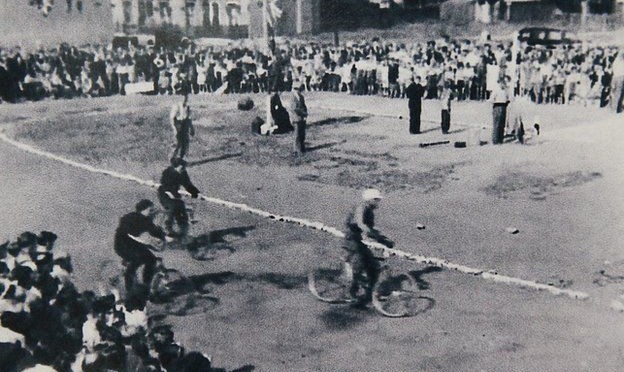
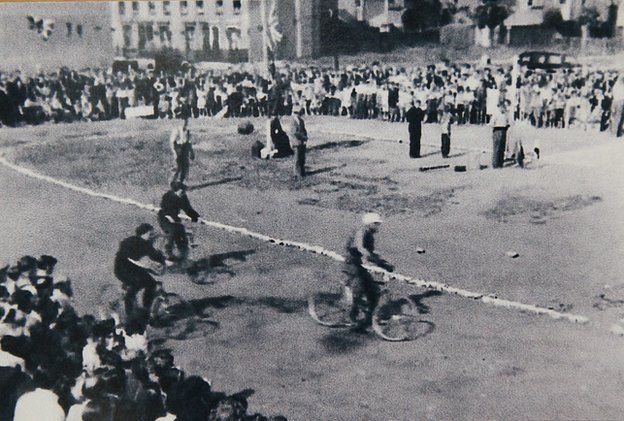
In the years after World War II and unlikely sport arose from the ashes of London’s bomb sites, cycle speedway.
Kids from as young as 13 put London’s many bomb sites to productive use by turning them into speedway tracks and racing their bicycles around them.
Well I use the word “bicycles” but according to reports, most of these bicycles were not roadworthy, and many were homemade, sporting old wheels and frames, and bent gas piping for handlebars.
That did not stop the “skid kids,” who blasted around the dirt tracks dreaming of one day racing real speedway.
Cycle Speedway Boom in Postwar London
According to Wikipedia, the sport actually goes back to 1920s, but it really took off in London in 1945 with the abundance of bomb sites providing dirt tracks for the city’s daring youth.
Intercity tournaments commenced in 1946, and in 1950 the international clash between England and the Netherlands drew 10,000 spectators.
In it’s heyday in 1950, there were over 200 teams in East London alone. The total number of racers across the country is estimated at between 30,000 and100,000.
This emerging sport was a significant milestone in history, according to sports historian Simon Inglis:
“It was the birth of youth culture that hadn’t existed before, which enabled kids to have a completely separate identity to their parents for the first time – cycle speedway was something that no adult did.”
After 1950, the bomb sites were cleared and the sport declined rapidly, going back to it’s local roots at a few scattered tracks around the country, but essentially fading into obscurity.
BBC Magazine has an interesting article on the sport with comments from some of the original racers, one of whom at 84 is still racing his bicycle today (on the road).
Cycle Speedway is still going today in the UK, administered by British Cycling, and it is practiced in Europe and the United States.
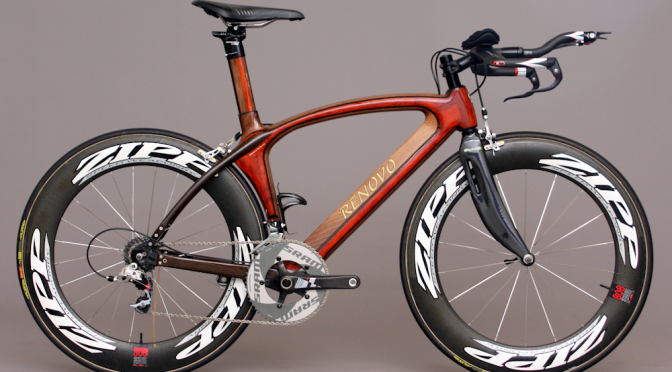
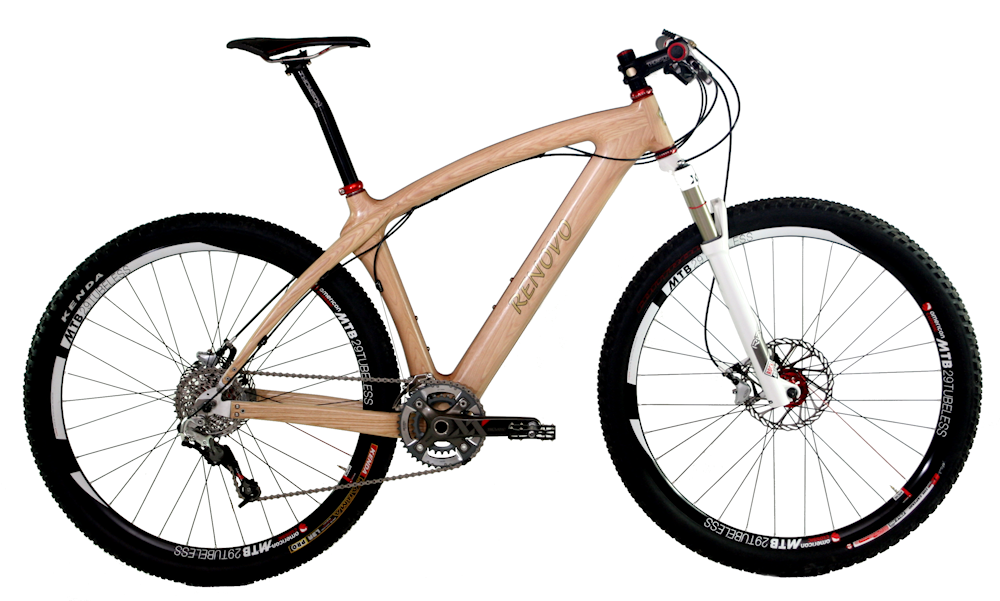
Renovo make bicycles out of wood, using hollow wooden tubes. Seems kind of primitive, considering we have all these fancy materials today, titanium, aluminum, carbon fiber… So why wood?
Some amazing things have been made from wood, including the world’s largest wingspan plane, the H4 Hercules… all wood!
The H4 Hercules all wood construction aircraft.
And according to Renovo:
Wood has unique engineering properties that deliver superior ride quality and durability compared to man-made materials, and…it’s sustainable, unlike other common frame materials. When the right wood is combined with an array of advanced technologies, it becomes a high performance material that will forever change your understanding of ‘wood.’
Renovo say that wood has superior damping ability, is light, stiff and durable. In short you get a smooth ride, excellent power transfer, superior handling and a bike that will last.
Plus wood makes your bike a one-of-a-kind handcrafted masterpiece.
The frames are significantly heavier than today’s super light frames, coming in at around 4-5 lbs, so not your best option if you do a lot of climbing.
Renovo offer a wide range of bikes, from commuter, road, mountain, touring and even time trial/triathlon. Prices vary by type, model and options, but prices start around $4,800 for a road bike.
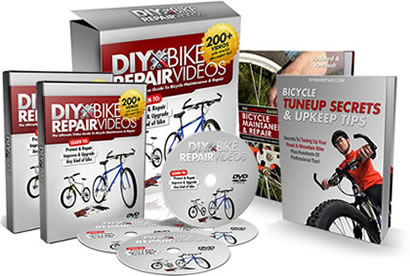
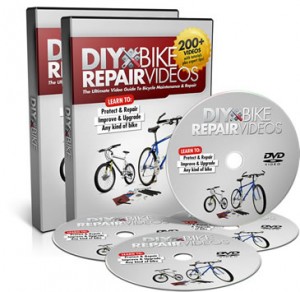
Whether you want to learn more about your bike, feel confident on the road, save money, or you're considering becoming a pro bike mechanic, this bicycle repair course has got you covered.
Taught by pro bike mechanics and packed with insider shortcuts and tips, it covers everything from minor repairs to the heavy stuff... and makes it easy to follow along, step-by-step, so you're never confused or wondering what to do next.
If you want to have an entire video encyclopedia of bicycle repairs at your fingertips, that covers you in every situation, then this package is worth a close look.
"Much easier to follow than a book, comprehensive, and loaded with insider tips and shortcuts... these DVDs belong on every cyclist's bookshelf." -Velo Logic
Incredible bike handling skills on display from Martyn Ashton, Danny MacAskill and Chris Akrigg. There are 3 Road Bike Party videos, but the second one is a perennial favorite.
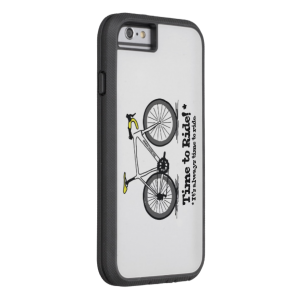
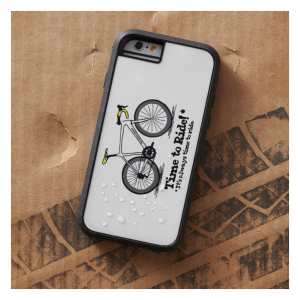
Now you can give your iPhone 6 the exact protection you need, with 3 models of iPhone 6 Cases for Cyclists. Travel with confidence and style, knowing your phone is protected no matter what the road or your day throws at you.
Not just an iPhone case…
Each model is exclusively branded with the iconic, hand illustrated Velo Logic bicycle… you won’t find this anywhere else at any price.
What to expect…
Pull out your phone and you’re guaranteed a grin… no matter how rough your day has been, and remember a ride is the remedy for most ailments in life.
Be reminded every time you take out your phone, what’s really important in life.
Casually toss your phone on the table at your next coffee break during a ride, and watch your friends dive for it.
In fact, it is entirely possible that you will be made an offer you can’t refuse. It would be smart to invest in 2 or 3 cases, so when your friends offer to buy your iPhone cover there and then, you can pocket the cash knowing you’ve got another 1, 2 or 3 at home.
Starting with the Tough Xtreme iPhone 6 Case for those times when you are out on the road, riding, hiking, it doesn’t matter, but that’s when anything can happen and usually does! Whether your phone is dropped on the road or rocks, pelted with rain or blasted by sand… that’s when your phone needs the best protection available, and the Tough Xtreme provides just that.
On to the Tough iPhone 6 case when you’re out and about around town and need robust protection but don’t anticipate any crashes, tumbles down mountain sides, sandstorms or fights.. then this is what you need.
And finally the ultra sleek Barely There model, when you want good protection without the bulk. Perfect for protecting your phone on date night, evening dinners or around the house.
Merging military-grade protection with rugged style, this extra durable Case-Mate case is designed with three layers of toughness and a built in screen.
Designed for the iPhone 6 with 4.7 inch screen
Impact resistant PolyCore exterior with shock-absorbing DouFlex liner
Built-in screen protector to prevent screen scratches and cracking
Protective covering on all ports, controls & sensors
Military-spec tested to protect against wind/rain, shock/drop, sand/dust, and vibration
Contoured precisely to fit the iPhone 6 with 4.7 inch screen, this Case-Mate case features a hard shell plastic exterior and shock absorbing liner to protect your device.
Designed for the iPhone 6 with 4.7 inch screen
Shock absorbing flexible liner for an added layer of protection
Impact resistant, durable hard plastic
Lay-flat bezel to protect your screen from directly contacting surfaces
This form-fitting featherlight Case-Mate custom case provides full coverage to your iPhone 6 with 4.7 inch screen while still keeping your device ultra sleek and stylish.
Designed for the iPhone 6 with 4.7 inch screen
Slim profile and lightweight
Impact resistant, durable hard plastic
Lay-flat bezel to protect your screen from directly contacting surfaces
I had the pleasure of spending the weekend in Asheville NC this past weekend. While Asheville is not the bike-friendliest terrain, with plenty of steep hills, there’s lots of a bikes and cyclists, where ever you look.
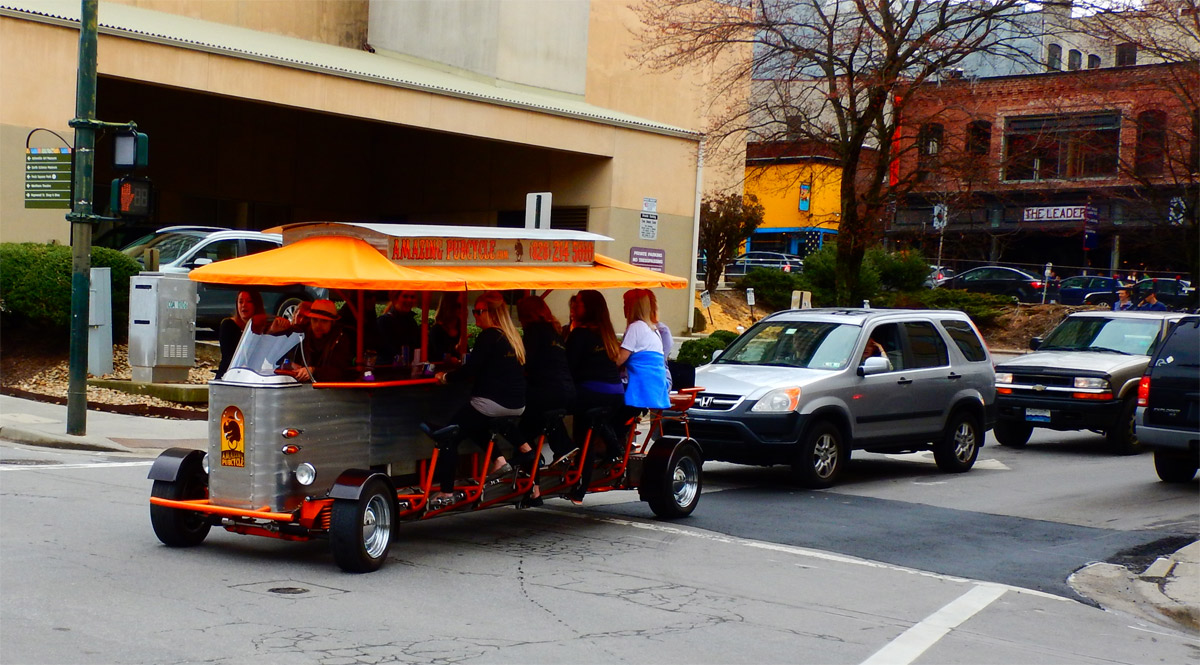
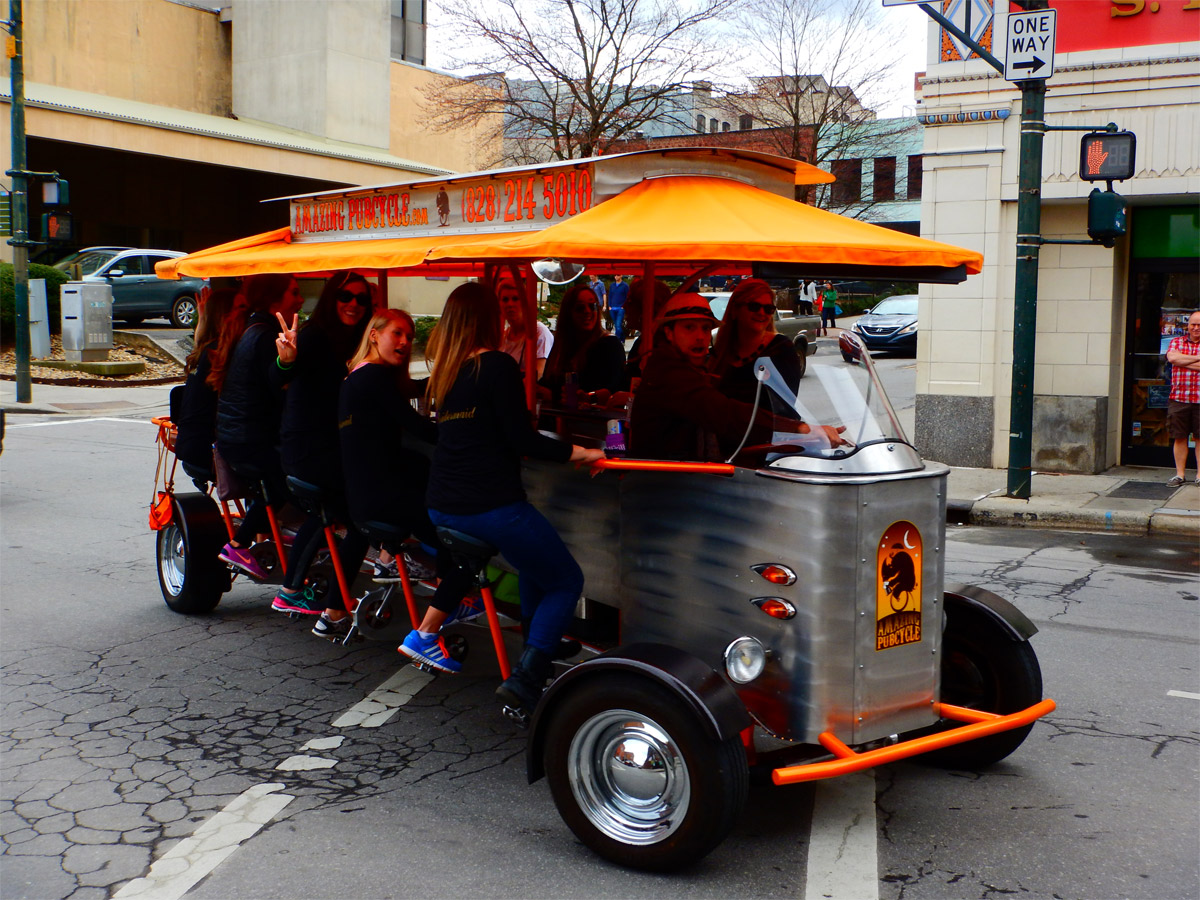
Many claim it is a myth, a figment of some drunken cyclist’s overactive imagination… but if you’re lucky, you might get a glimpse of “The Amazing Pubcycle.”
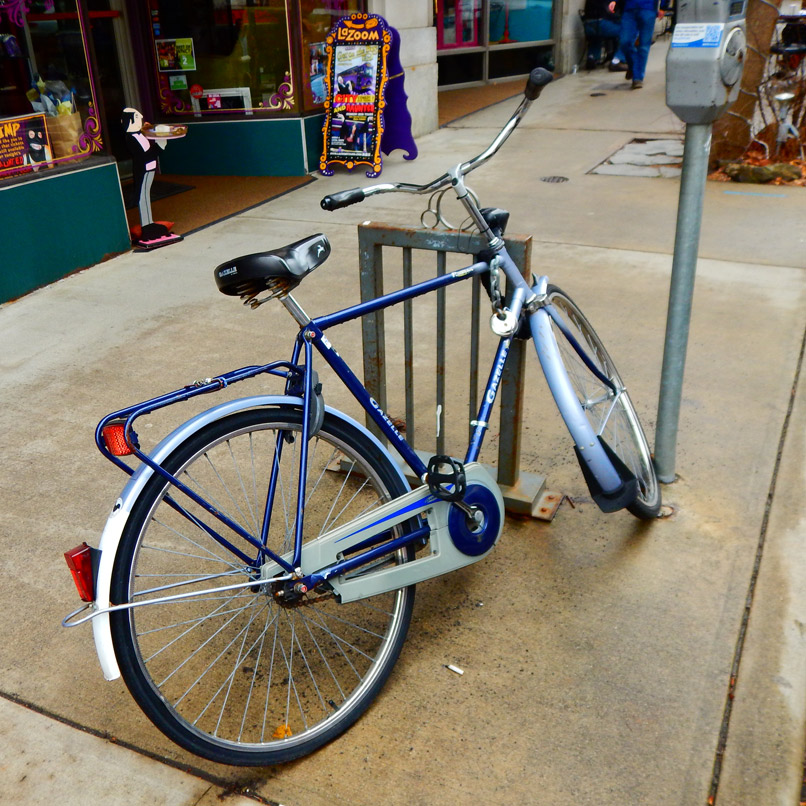
While there are quite a few serious cyclists in Asheville, this is a sampling of good old fashioned bikes… the kind you ride to get from A to B.
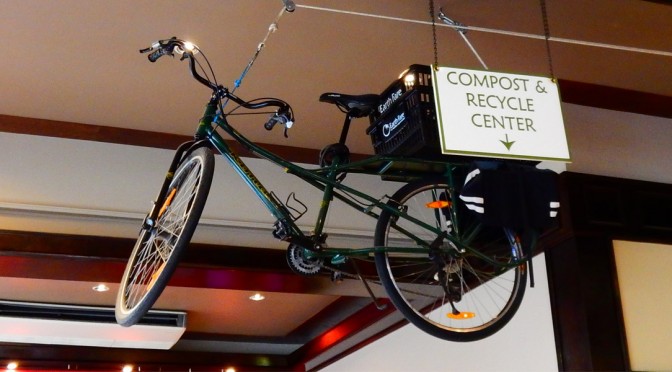
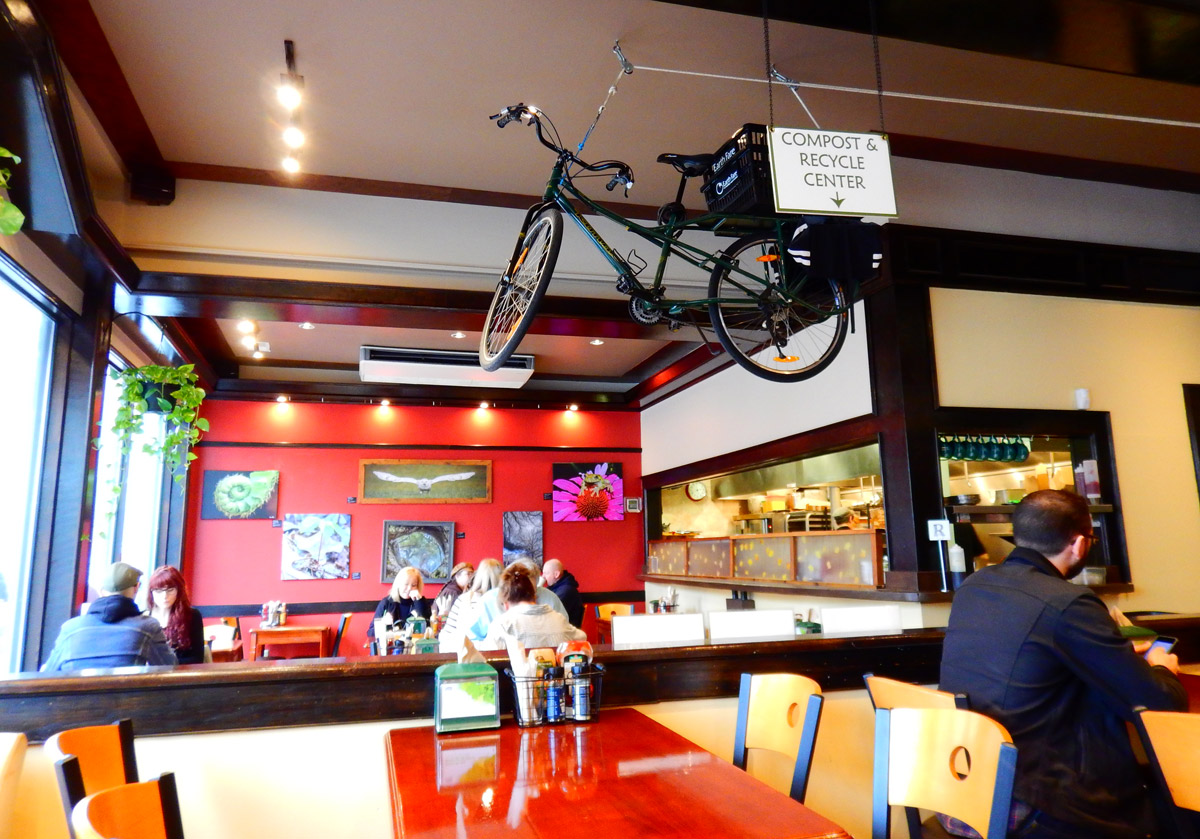
Bikes are everywhere, leaning against shop windows, in bike racks, tethered to trees and even dangling from the ceiling in a restaurant. Ashevillians do love their bikes.
Bicycles of Asheville North Carolina
A Gazelle bicycle in Asheville NC.
Fuji Supreme docked in Asheville NC
Delivery bicycle hangs in the Green Sage restaurant, Asheville NC.
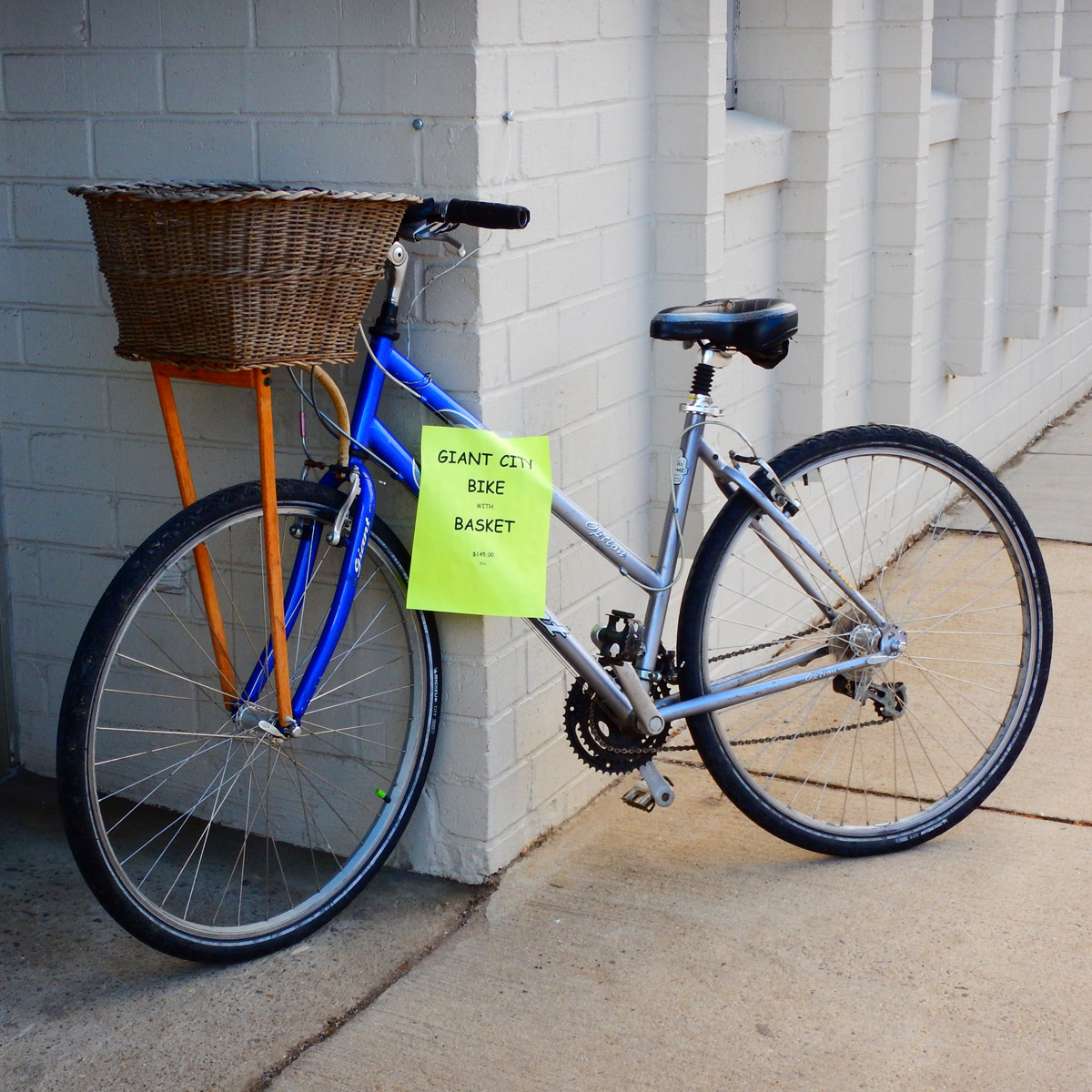
A Giant City bicycle for sale in Asheville NC.
What the…!!!? These revelers are pedalers… “The Amazing Pubcycle” – the pedal-powered pub – waits to make a turn in Asheville NC.
The “Amazing Pubcycle” negotiates a corner in Asheville. The passengers sure seemed to be having fun.
Essential Know-How for Cyclists
Easily Fix Annoying Problems and Make Your Bike Sing...
DIY Bike Repairs video course, you will save a bundle, and never be stumped by a bike repair again. This complete video course of bicycle repairs covers everything, from major upgrades to minor maintenance work. This professionally shot course is put together by pro bike mechanics, and is packed with insider’s tips and short cuts. The course comes with lifetime updates and a money-back guarantee, so there's no reason not to give it a try.
Two years after Lance Armstrong’s doping admission made a mockery of professional cycling, not much has changed. That is the conclusion of the long-awaited report from the Cycling Independent Reform Commission (CIRC), which cost £2m to tell us what many already suspected.
Even the much-vaunted biological passport has not deterred the dopers. Introduced several years ago, it gives each athlete an individual electronic record of their blood and urine levels to make it easier for dope tests to spot deviations from the norm in each individual case. But the CIRC report found that cyclists simply take micro-doses to leave a minimal trace on the record.
So the current anti-doping system isn’t working, and by my rough calculations based on the income of the World Anti-Doping Agency and national equivalent organisations, it costs the world upwards of £50m a year across all sports. Continuing in this vein means throwing more money at something that seems impossible. So if our top-down, heavy-handed, science-driven anti-doping policy hasn’t worked, what are the alternatives?
Option 1: permit riders to dope
One obvious alternative is to abandon the pretence of clean sport altogether. This would arguably respect the traditions of the sport: back in the 1960s, for example, the world-leading French cyclist Jacques Anquetil favoured this kind of liberal approach. The five-time Tour de France winner (before dope tests were introduced) argued that cyclists should be allowed to make their own decisions about doping.
Pro-doping: Jacques Anquetil (Wikimedia)Pro-doping: Jacques Anquetil Wikimedia
Since then, large numbers of cyclists have actively pursued the latest drugs, seeing the authorities that try to stop them as the enemy. This cat-and-mouse game has proved expensive for sport in terms of both finance and credibility, and has led to situations of cyclists being unfairly and inconsistently punished.
While allowing doping would be controversial, there are comparisons. In boxing, for instance, modern-day participants know and accept the risk that they could incur brain injuries. In that sense, if all cyclists accepted the use of drugs in the sport then their decision would be a similar one based on the health risk that such drug use involves.
Option 2: doping under medical supervision
A second approach, in order to mitigate this health risk from doping, would be to allow it only under medical supervision. Several prominent academic health researchers have argued that the present risks would be substantially decreased if cyclists were able to access accurate information on the drugs.
As the CIRC report noted, cyclists often experiment with weight-loss supplements, painkillers and other drugs. It’s well known that turning to black-market supply chains and unethical doctors can increase risks. We also know from the CIRC that doping appears to be spreading into amateur cycling. So rather than spending money on propping up a broken system, why not use it to make medical advice freely available for all cyclists? To help combat the amateur problem, this could be part of a broader public-health strategy.
Like over-the-counter medicines, the approach to doping in cycling would be to assume that individuals could make informed, mature decisions regarding their own health. There is nothing to suggest that cyclists really want to kill themselves for the sake of their career.
Option 3: decriminalisation
What does anti-doping set out to achieve? The argument that anti-doping protects a level playing field or the sport’s image are spurious, as doping is only one small factor that can influence success in sport. There is no level playing field, and the image of sport is constantly undermined by the behaviour of athletes on and off the field. For me, the best argument for regulation is that it helps to protect the health of the athlete.
Without asking the public to become more tolerant of drugs in sport as per option two, instead a compromise might be to move to a lighter-touch process of self-reporting, medical monitoring, and perhaps even a form of doping quality control imposed by team managers.
Cyclists would need to prove they are in reasonable health before they could compete, and would be required to provide information to show they were monitoring their drug use as part of that. But there would be no obligation on the doctors to report such drug use to the authorities, and testing would be reduced and focused on health factors. The system would prioritise risk reduction and support for individual cyclists. This is the option that looks comparatively the most reasonable to me.
Imagine a world that tolerated Lance Armstrong Julien Behal
Option 4: involve the athletes
Even though it might be easier to get the public to accept a decriminalised system, popular (and political) revulsion at the very notion of such liberalisation would still be the greatest hurdle to overcome. So we would need to shift attitudes too.
We should ask professional and amateur cyclists alike about what they would like their sport to do about doping. Remarkably, no one has done this before. After consultation, cyclists may come to feel responsible for the policies they have helped to create.
If they favoured a system closer to the status quo than options one to three, this may lead to some significant self-policing within the sport, and more social stigma around stepping out of line – if cyclists come to believe they are betraying others, they may think twice.
Of course, we can’t know in advance whether the athlete’s majority view would be deemed acceptable by the sport’s governing bodies, sponsors or the watching public. All the same, it would be a genuine leap of human faith to include the subjects of these policies in the policy-making process.
Wherever world cycling goes after the CIRC report, we all need to recognise that the future of the sport might depend on the compromises involved. The starting point must be to accept that more of the same simply will not suffice.

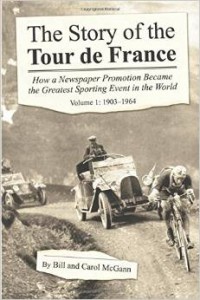 The Story of the Tour de France is a rare gem of a book in a crowded category. It grabs you from the start, electrifies and keeps you immersed in the powerful drama that is the Tour.
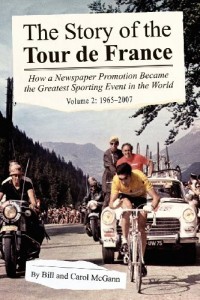 The Story of the Tour de France Volume 2 covers the period from 1965 to 2007, with even more drama and excitement.